Why Sleeper Trains Are Making a Comeback
Why Sleeper Trains Are Making a Comeback
かつて「ブルートレイン」と呼ばれ、日本各地の旅を支えた夜行列車が、再び注目を集めています。移動しながらゆっくり休める“夜の旅”は、動画でも話題で、「一度乗ってみたい!」という声も増えています。暗い車窓を眺めたり、ゆったりした時間を楽しんだり、普段の旅とはちょっとちがうワクワクがありますよね。昔ながらの雰囲気と今っぽさが混ざっていて、新しい旅のスタイルとして注目されています。あなたは、これまでの電車旅で印象に残っている思い出はありますか?講師と話してみましょう。
1.Article
Directions: Read the following article aloud.
※本ページは出典ニュース記事を要約した英文です。
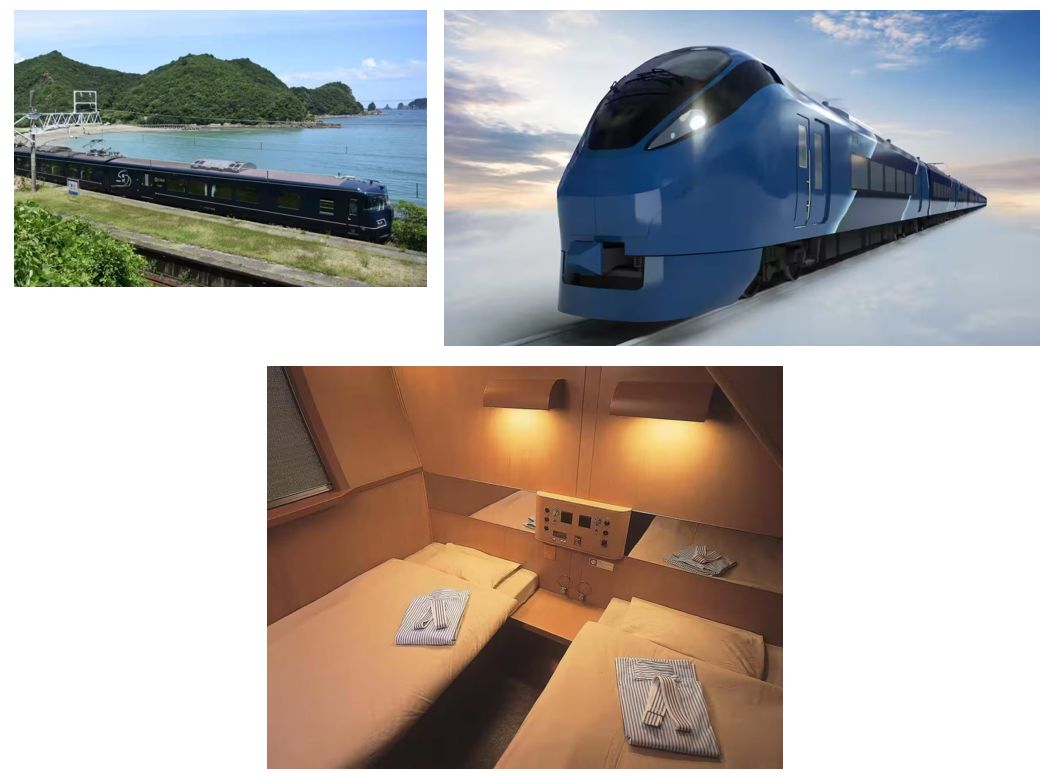
Sleeper trains, including the famous "Blue Trains" that were once a key part of travel across Japan, are making a comeback. When JR West launched a new night train connecting Kansai and the San'in region in 2020, it quickly became a hit, with most departures nearly full.
JR East is also set to begin operating a new night train linking the Tokyo metropolitan area with northern Tohoku in the spring of 2027.
The history of night trains in Japan goes back to 1889, when the full Tokaido Line opened and trains began running between Shimbashi and Kobe. Making numerous local stops, these trains took more than 20 hours, essentially functioning as overnight services.
After World War II, networks of limited-express and express night trains expanded nationwide, serving both business travelers and tourists. As transportation options diversified, however, their importance gradually declined.
However, the recent rise in hotel prices, driven by increasing inbound tourism, has led to a renewed appreciation for night trains. Offering both transportation and accommodation, along with the distinctive charm of traveling through the night, they are once again attracting attention as a unique and practical way to explore Japan.
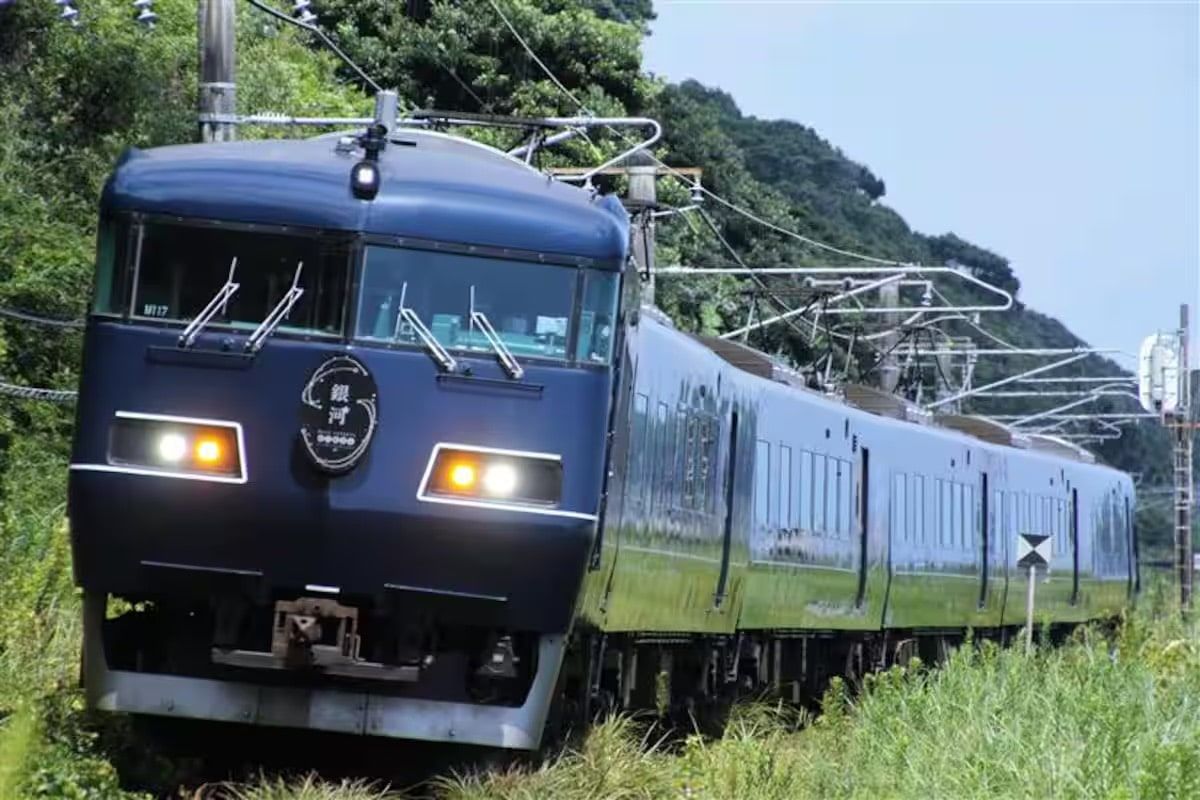
It was after 9 PM on November 21, the day before a three-day weekend. The destination board at JR Kyoto Station, usually filled with local routes within the Keihanshin region, showed an unusual destination: "Shimonoseki." That night, many young travelers and families boarded JR West's night train, the WEST EXPRESS GINGA, for a roughly half-day journey.
JR West revived the GINGA during the pandemic, using a refurbished older train on routes between Kansai and Ise/Chugoku, areas where night trains had disappeared. This month, it is operating several round trips per week between Kyoto and Shimonoseki via Osaka.
Fares from Kyoto to Shimonoseki start at around ¥12,900 JPY (about $80 USD). As tourism demand has rebounded, the train's popularity has surged, with even weekday departures frequently selling out.
JR East's new night train, set to launch in 2027, will feature an exterior design inspired by the classic Blue Trains of the past.
According to railway analyst Ryozo Kawashima, night trains declined because they could not compete in price or speed with the Shinkansen, airplanes, and overnight buses.
The breakup and privatization of Japanese National Railways also contributed. Profits from night-train operations had to be shared among the JR companies that owned each segment of track, which lowered overall profitability.
Night trains also require staff at stations during late-night hours, adding to the operational burden. For many years, the only regularly scheduled night train was the Sunrise Seto/Izumo, connecting Tokyo with Takamatsu and Tokyo with Izumo City in Shimane Prefecture.
So why are night trains back in the spotlight? Kawashima says that compared to the past, "usage is increasingly for tourism rather than business.“
The Sunrise trains offer carpeted open seating areas as well as around 120 private, lockable rooms per train. Fares from Tokyo to Izumo City range from about ¥16,000 to ¥30,000, depending on the type of seat or compartment.
The chance to enjoy both travel and accommodation at the same time has proven especially appealing to younger travelers. Social media platforms are filled with influencers posting night-train videos. Even videos that run nearly an hour often receive over a million views.
Yuki Kobe, a university student from Kanagawa Prefecture who first rode a night train in elementary school, said, "Among all forms of transportation, night trains have a special excitement even before boarding. Tickets are hard to get, but that only adds to the sense of a special journey."
JR East is also set to begin operating a new night train linking the Tokyo metropolitan area with northern Tohoku in the spring of 2027.
The history of night trains in Japan goes back to 1889, when the full Tokaido Line opened and trains began running between Shimbashi and Kobe. Making numerous local stops, these trains took more than 20 hours, essentially functioning as overnight services.
After World War II, networks of limited-express and express night trains expanded nationwide, serving both business travelers and tourists. As transportation options diversified, however, their importance gradually declined.
However, the recent rise in hotel prices, driven by increasing inbound tourism, has led to a renewed appreciation for night trains. Offering both transportation and accommodation, along with the distinctive charm of traveling through the night, they are once again attracting attention as a unique and practical way to explore Japan.
It was after 9 PM on November 21, the day before a three-day weekend. The destination board at JR Kyoto Station, usually filled with local routes within the Keihanshin region, showed an unusual destination: "Shimonoseki." That night, many young travelers and families boarded JR West's night train, the WEST EXPRESS GINGA, for a roughly half-day journey.
JR West revived the GINGA during the pandemic, using a refurbished older train on routes between Kansai and Ise/Chugoku, areas where night trains had disappeared. This month, it is operating several round trips per week between Kyoto and Shimonoseki via Osaka.
Fares from Kyoto to Shimonoseki start at around ¥12,900 JPY (about $80 USD). As tourism demand has rebounded, the train's popularity has surged, with even weekday departures frequently selling out.
JR East's new night train, set to launch in 2027, will feature an exterior design inspired by the classic Blue Trains of the past.
According to railway analyst Ryozo Kawashima, night trains declined because they could not compete in price or speed with the Shinkansen, airplanes, and overnight buses.
The breakup and privatization of Japanese National Railways also contributed. Profits from night-train operations had to be shared among the JR companies that owned each segment of track, which lowered overall profitability.
Night trains also require staff at stations during late-night hours, adding to the operational burden. For many years, the only regularly scheduled night train was the Sunrise Seto/Izumo, connecting Tokyo with Takamatsu and Tokyo with Izumo City in Shimane Prefecture.
So why are night trains back in the spotlight? Kawashima says that compared to the past, "usage is increasingly for tourism rather than business.“
The Sunrise trains offer carpeted open seating areas as well as around 120 private, lockable rooms per train. Fares from Tokyo to Izumo City range from about ¥16,000 to ¥30,000, depending on the type of seat or compartment.
The chance to enjoy both travel and accommodation at the same time has proven especially appealing to younger travelers. Social media platforms are filled with influencers posting night-train videos. Even videos that run nearly an hour often receive over a million views.
Yuki Kobe, a university student from Kanagawa Prefecture who first rode a night train in elementary school, said, "Among all forms of transportation, night trains have a special excitement even before boarding. Tickets are hard to get, but that only adds to the sense of a special journey."
Source:Why Sleeper Trains Are Making a Comeback
JAPAN Forward
本教材は、一般社団法人ジャパンフォワード推進機構、株式会社産経デジタルより許諾を得て、産経ヒューマンラーニング株式会社が編集しています。
テキストの無断転載・無断使用を固く禁じます 。