Weathering China: Can Japan Handle the Travel Advisory?
Weathering China: Can Japan Handle the Travel Advisory?
中国政府の渡航自粛の呼びかけを受け、訪日観光の流れに少しずつ変化が生まれています。これまでとは異なる客層が訪れるようになると、地域の魅力の伝え方やサービスの工夫も変わっていきますよね。観光地が次の一歩を考えるうえで、どんな対応が求められるのでしょうか。あなたなら、新しい訪日客に向けて何を打ち出しますか?
1.Article
Directions: Read the following article aloud.
※本ページは出典ニュース記事を要約した英文です。
It's been more than two weeks since the Chinese government urged its citizens not to travel to Japan, following Prime Minister Sanae Takaichi's remarks on a potential Taiwan contingency.
The travel advisory has prompted some group tour cancellations, but related industries in Japan have largely remained calm. Meanwhile, efforts to reduce dependence on Chinese visitors are steadily progressing.
The Kansai region, which attracts a large share of Chinese tourists, has seen the most noticeable impact. According to the Osaka Convention & Tourism Bureau, 50–70% of Chinese bookings at roughly 20 hotels in Osaka have been cancelled through the end of December.
By contrast, many hotel operators in Tokyo report that "there has been no significant impact so far," indicating clear regional differences in the fallout.
The short-term impact is unavoidable. Of particular concern is the anticipated slump during next February's Spring Festival, which coincides with the Chinese Lunar New Year.
"The Spring Festival sales period will be challenging," says aviation and travel analyst Kotaro Toriumi. "The impact is likely to extend into the spring, and a full recovery is unlikely for at least six months to a year."
After rising sharply, hotel prices have begun to ease in Tokyo, Osaka, and Kyoto. Reflecting on that, Toriumi believes "urban areas can expect some relief from overtourism and a rebound in Japanese travelers."
Still, he cautions that these gains "will not make up for the losses expected during the Spring Festival period.“
The key, therefore, is reducing Japan's dependence on the Chinese market.
According to the Japan National Tourism Organization, Japan welcomed over 35.54 million visitors between January and October. China remained the largest source of inbound tourists at roughly 23%. However, while it's still the top share, it has fallen from about 30% in 2019.
In October alone, 13 countries and regions, including South Korea, Taiwan, and the United States, recorded their highest visitor numbers to Japan. The Middle East saw a 33.8% increase compared with the same month in 2024, while Germany posted a 29.2% rise.
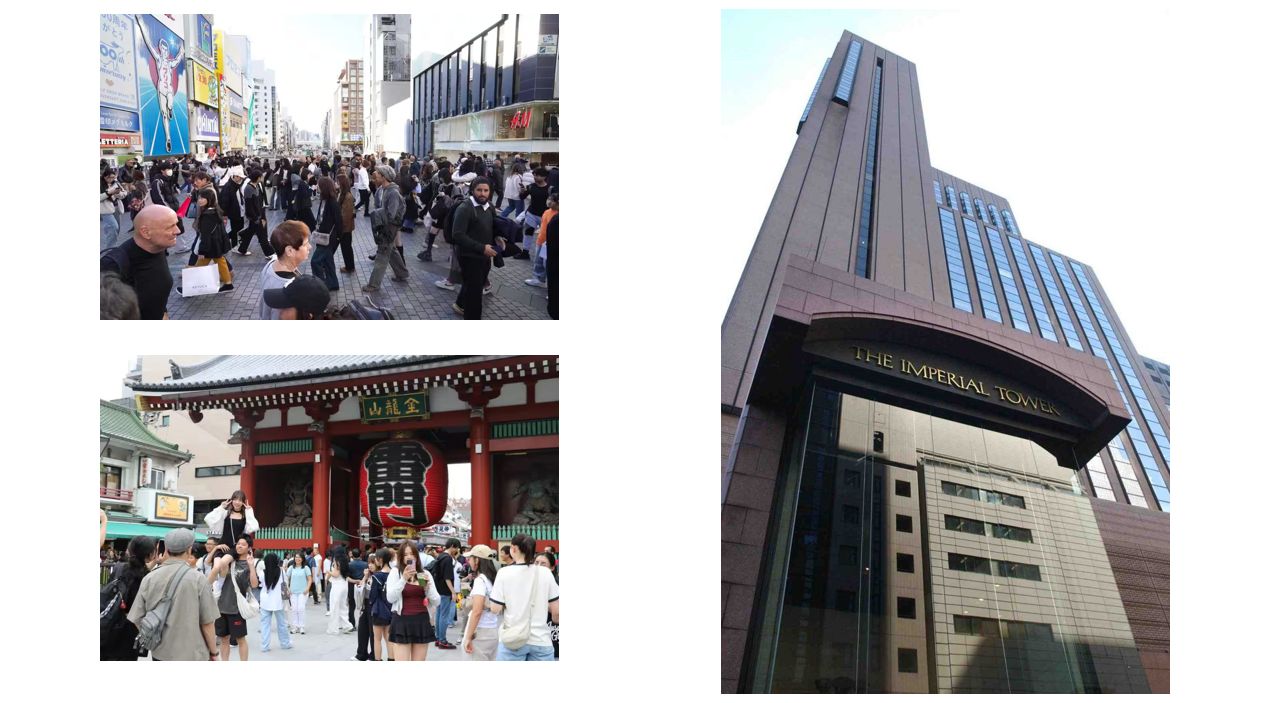
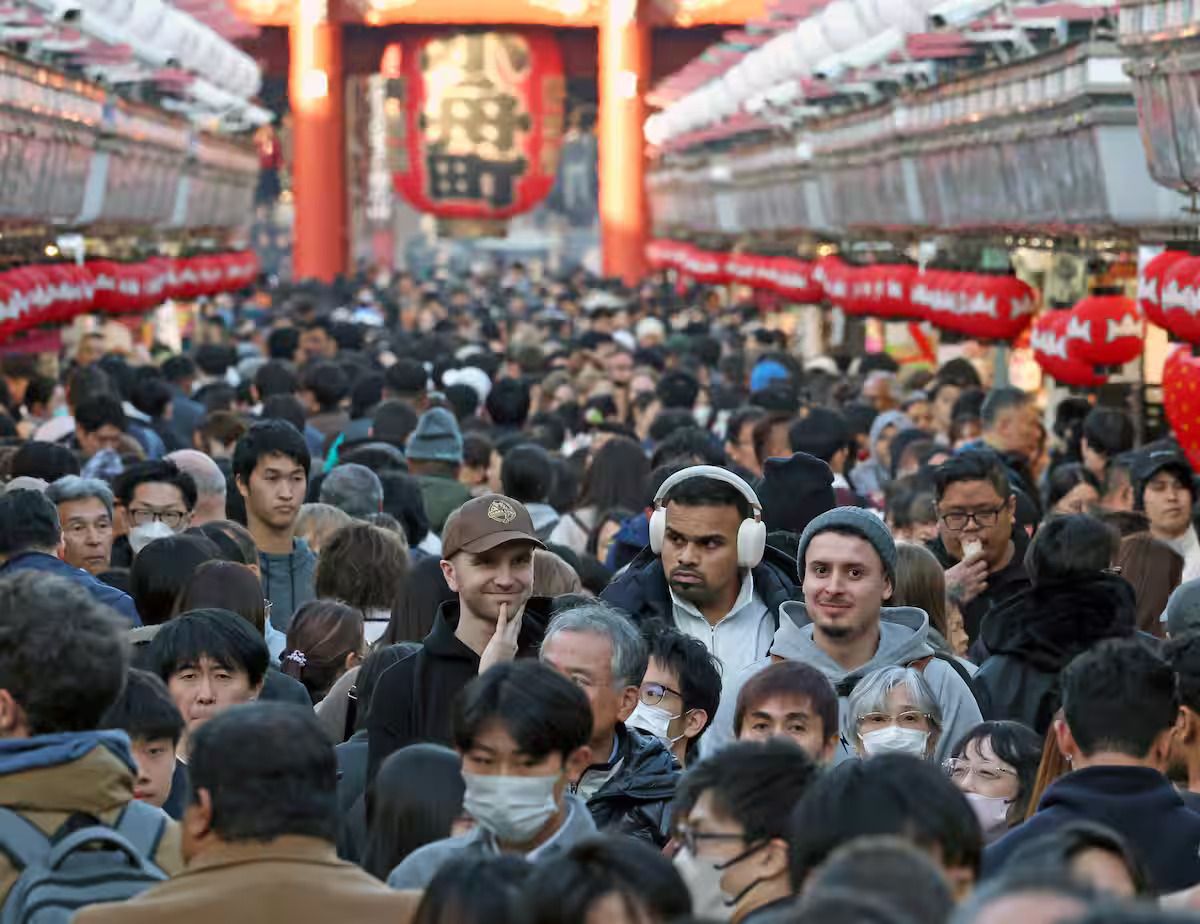
Chinese tourists are slowly vanishing from major sightseeing sites following Beijing's travel advisory. Yet many hotels and restaurants that depend on inbound visitors are navigating the situation without significant disruptions.
One major reason is that their customer base has broadened to include travelers from Europe, the US, and Southeast Asia, helping to mitigate the "China risk" that has disproportionately affected the tourism sector.
Kai Iwasaki, a rickshaw driver stationed in front of Asakusa's Kaminarimon, says the Chinese tourists who once made up roughly 30% of his customers have virtually disappeared.
Although he does not speak Chinese, he is adept at serving visitors in English. "I'm putting more focus on travelers from Europe, America, and Southeast Asia, but earnings haven't really changed," he says.
Yuka Mitsuhashi, who works at the popular sweet shop Oimoyasan Koushin, says, "Until recently, most of our customers were Chinese, but lately we've been seeing more visitors from South Korea, Europe, and the US."
Even with fewer Chinese customers, lines still form, thanks to visitors from other countries and school excursion groups, she adds.
A 23-year-old part-time worker at the street food stall Asakusa Menchi echoed this sentiment: "We have many tourists from Europe and America, so our sales remain largely unchanged."
The Imperial Hotel Tokyo in Chiyoda Ward reported a few banquet cancellations but noted that "the impact is likely less than at other hotels."
Fujita Kanko, operator of Hotel Chinzanso and the Washington Hotel, also says "there has been no significant impact so far."
Chinese visitor numbers slowed during the COVID-19 pandemic, but the company explained that it has since expanded marketing to attract guests from Europe, the US, and Australia.
The travel advisory has prompted some group tour cancellations, but related industries in Japan have largely remained calm. Meanwhile, efforts to reduce dependence on Chinese visitors are steadily progressing.
The Kansai region, which attracts a large share of Chinese tourists, has seen the most noticeable impact. According to the Osaka Convention & Tourism Bureau, 50–70% of Chinese bookings at roughly 20 hotels in Osaka have been cancelled through the end of December.
By contrast, many hotel operators in Tokyo report that "there has been no significant impact so far," indicating clear regional differences in the fallout.
The short-term impact is unavoidable. Of particular concern is the anticipated slump during next February's Spring Festival, which coincides with the Chinese Lunar New Year.
"The Spring Festival sales period will be challenging," says aviation and travel analyst Kotaro Toriumi. "The impact is likely to extend into the spring, and a full recovery is unlikely for at least six months to a year."
After rising sharply, hotel prices have begun to ease in Tokyo, Osaka, and Kyoto. Reflecting on that, Toriumi believes "urban areas can expect some relief from overtourism and a rebound in Japanese travelers."
Still, he cautions that these gains "will not make up for the losses expected during the Spring Festival period.“
The key, therefore, is reducing Japan's dependence on the Chinese market.
According to the Japan National Tourism Organization, Japan welcomed over 35.54 million visitors between January and October. China remained the largest source of inbound tourists at roughly 23%. However, while it's still the top share, it has fallen from about 30% in 2019.
In October alone, 13 countries and regions, including South Korea, Taiwan, and the United States, recorded their highest visitor numbers to Japan. The Middle East saw a 33.8% increase compared with the same month in 2024, while Germany posted a 29.2% rise.
Chinese tourists are slowly vanishing from major sightseeing sites following Beijing's travel advisory. Yet many hotels and restaurants that depend on inbound visitors are navigating the situation without significant disruptions.
One major reason is that their customer base has broadened to include travelers from Europe, the US, and Southeast Asia, helping to mitigate the "China risk" that has disproportionately affected the tourism sector.
Kai Iwasaki, a rickshaw driver stationed in front of Asakusa's Kaminarimon, says the Chinese tourists who once made up roughly 30% of his customers have virtually disappeared.
Although he does not speak Chinese, he is adept at serving visitors in English. "I'm putting more focus on travelers from Europe, America, and Southeast Asia, but earnings haven't really changed," he says.
Yuka Mitsuhashi, who works at the popular sweet shop Oimoyasan Koushin, says, "Until recently, most of our customers were Chinese, but lately we've been seeing more visitors from South Korea, Europe, and the US."
Even with fewer Chinese customers, lines still form, thanks to visitors from other countries and school excursion groups, she adds.
A 23-year-old part-time worker at the street food stall Asakusa Menchi echoed this sentiment: "We have many tourists from Europe and America, so our sales remain largely unchanged."
The Imperial Hotel Tokyo in Chiyoda Ward reported a few banquet cancellations but noted that "the impact is likely less than at other hotels."
Fujita Kanko, operator of Hotel Chinzanso and the Washington Hotel, also says "there has been no significant impact so far."
Chinese visitor numbers slowed during the COVID-19 pandemic, but the company explained that it has since expanded marketing to attract guests from Europe, the US, and Australia.
Source:Weathering China: Can Japan Handle the Travel Advisory?
JAPAN Forward
本教材は、一般社団法人ジャパンフォワード推進機構、株式会社産経デジタルより許諾を得て、産経ヒューマンラーニング株式会社が編集しています。
テキストの無断転載・無断使用を固く禁じます 。