
Eel Trade Restrictions Rejected, but Tougher Management Looms
Eel Trade Restrictions Rejected, but Tougher Management Looms
ウナギをめぐる国際的な議論が続くなか、日本の食文化と資源との向き合い方が改めて注目されています。長く親しまれてきた食材である一方、環境保全や持続的な利用を求められる場面が増えているのも事実です。安心して食を楽しみ続けるためには、消費国としてどのような形で資源を守り、健全な取引を支えていくべきなのかを考える必要があります。あなたは、違法取引を減らすためにどんな工夫ができると思いますか?
1.Article
Directions: Read the following article aloud.
※本ページは出典ニュース記事を要約した英文です。
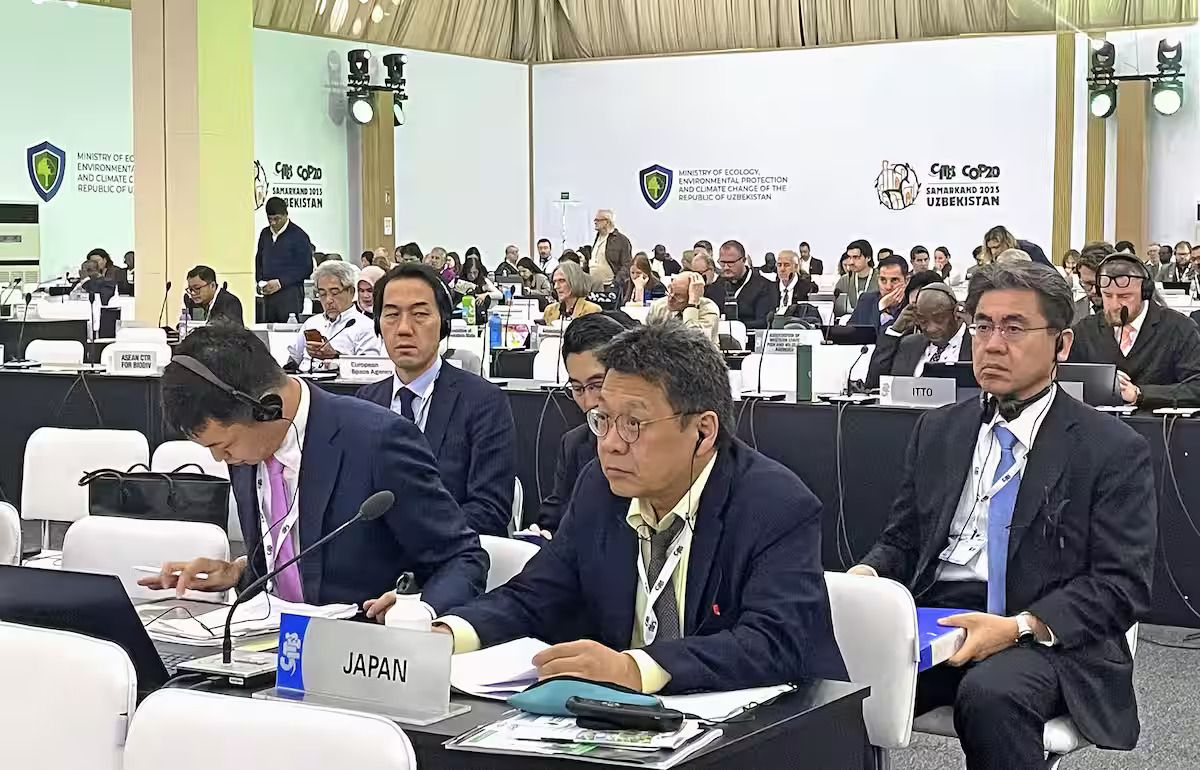
At the conference of the parties to the Convention on International Trade in Endangered Species of Wild Fauna and Flora (CITES), delegates rejected a proposal on November 27 to tighten international trade rules for all eel species, including the Japanese unagi.
When the meeting opened in Uzbekistan on November 24, the European Union (EU) and several other parties had pushed for a blanket regulation covering every eel species.
The Japanese government opposed the measure and lobbied actively against it. China and the United States also voiced their opposition. The measure faced overwhelming opposition, with 100 countries voting against it, 35 in favor, and eight abstaining.
It was formally taken up at the December 4 plenary session and ultimately shelved.
The EU argued that Japanese eel stocks had declined significantly and were indistinguishable from European eel, which is already subject to an export ban. They claimed this had fueled illegal trade.
Japan responded that its eel stocks remain sufficient.
That said, stricter resource management is unavoidable. Poaching and illegal trade overseas are rampant, and pressure is growing on Japan to act responsibly as a major consumer.
Most domestic eels are farmed, but reported catches fall far short of the quantities the agency estimates are entering aquaculture ponds.
This gap makes it essential to clarify the actual situation.
Roughly 70% of Japan's domestic eel supply now comes from imports. An estimated three-quarters of Chinese shipments are believed to originate from illegal fishing, pointing to the need to clarify distribution channels.
When the meeting opened in Uzbekistan on November 24, the European Union (EU) and several other parties had pushed for a blanket regulation covering every eel species.
The Japanese government opposed the measure and lobbied actively against it. China and the United States also voiced their opposition. The measure faced overwhelming opposition, with 100 countries voting against it, 35 in favor, and eight abstaining.
It was formally taken up at the December 4 plenary session and ultimately shelved.
Relief Now, Scrutiny Ahead
Stakeholders breathed a sigh of relief as stricter regulations could have driven up trade prices. But while Japan's lobbying efforts succeeded this time, eel resource management remains inadequate.The EU argued that Japanese eel stocks had declined significantly and were indistinguishable from European eel, which is already subject to an export ban. They claimed this had fueled illegal trade.
Japan responded that its eel stocks remain sufficient.
That said, stricter resource management is unavoidable. Poaching and illegal trade overseas are rampant, and pressure is growing on Japan to act responsibly as a major consumer.
Tracking the Trade
Starting in December, the Fisheries Agency will require businesses to create and keep records of domestic transactions for juvenile eels, or shirasu.Most domestic eels are farmed, but reported catches fall far short of the quantities the agency estimates are entering aquaculture ponds.
This gap makes it essential to clarify the actual situation.
Roughly 70% of Japan's domestic eel supply now comes from imports. An estimated three-quarters of Chinese shipments are believed to originate from illegal fishing, pointing to the need to clarify distribution channels.
Source:Eel Trade Restrictions Rejected, but Tougher Management Looms
JAPAN Forward
本教材は、一般社団法人ジャパンフォワード推進機構、株式会社産経デジタルより許諾を得て、産経ヒューマンラーニング株式会社が編集しています。
テキストの無断転載・無断使用を固く禁じます 。