
How to Move an Elephant
How to Move an Elephant
今回は、南アフリカで長いあいだ動物園で暮らしてきたゾウ「チャーリー」をめぐる記事です。専門チームが、彼がより自然に近い環境で過ごせるよう準備を進め、新しい生活に向けた移動が行われました。記事に出てくる herd /hɜːrd/ は「群れ」という意味で、elephant herd=ゾウの群れ や a herd of cattle=ウシの群れ のように使われ、動物と相性のいい単語です。群れで生きる動物にとって、仲間の存在は大きいものですよね。あなたは野生動物を守るために、社会全体でどんな取り組みが必要だと思いますか?
1.Article
Directions: Read the following article aloud.
When it comes to the business of moving elephants, Dr. Amir Khalil and his team might be the best. The work experience of this Egyptian animal doctor includes possibly the most famous elephant relocation ever.
In 2020, Khalil’s team saved Kaavan, an Asian elephant, from years of loneliness at a zoo in Pakistan. They flew him to Cambodia, where he could live a happier life at an elephant reserve.
At the time, Kaavan was called the “world’s loneliest elephant.” The relocation project was a great success. But Kaavan was not the only elephant that needed help.
Next on the list was the last captive elephant in South Africa.
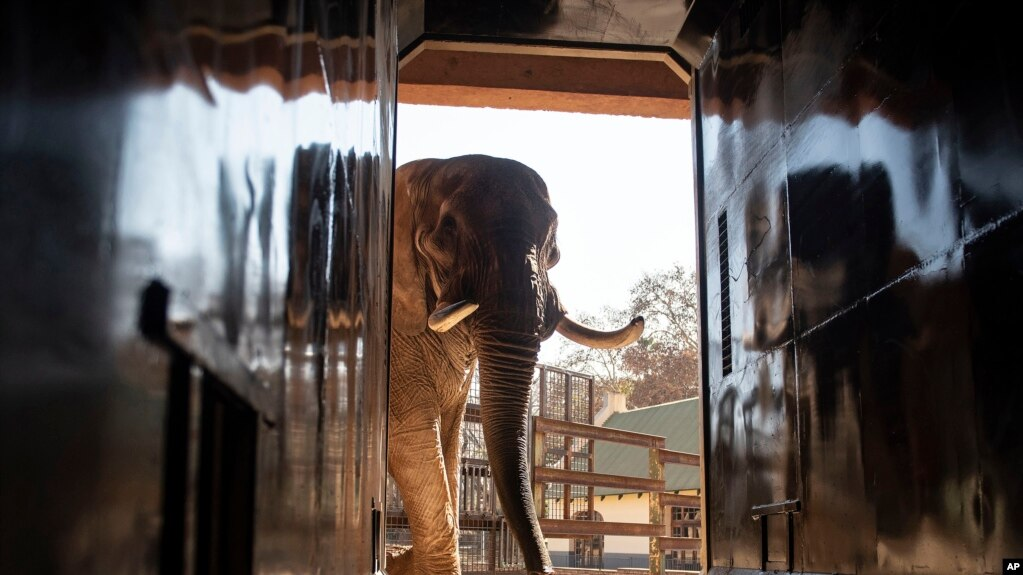
Charley, an aging African elephant, had outlived all the other elephants at a zoo in Pretoria. The zoo was Charley’s home for more than 20 years. Wildlife experts say that elephants are sensitive animals. And Charley was showing signs of being deeply unhappy since his partner, Landa, died in 2020.
Zoo officials decided he should enjoy his final years in a better place for an old elephant. His new home would be a large private game reserve some 200 kilometers away. There, he would be able to make some new elephant friends.
As an animal rescue specialist at the Four Paws wildlife welfare organization, Khalil was a clear choice for this massive job.
“I don’t know how many hundreds of thousands of people and children witnessed and enjoyed Charley,” said Khalil. “I think it’s time for him to also enjoy life and to live as an elephant.”
Elephants are highly intelligent, highly social animals, Khalil said. While Charley was unhappy, he could also be naughty and playful. Khalil compared Charley’s last few sad years at the zoo to someone watching the same movie every day, alone.
The technical parts of moving an elephant to a new home are complex. Khalil does not put the elephants to sleep. This is mainly because it is not good for such a big animal. But also, a sleeping elephant is hardly any easier to move.
And so, a process began of training an old elephant to step willingly into a large metal transport container. At some point, Khalil and his team would load Charley into this container.
Two other animal doctors, Dr. Marina Ivanova and Dr. Frank Göritz, worked with Khalil as part of the Kaavan relocation team. They first met Charley two years ago. The meetings were meant to help the doctors decide how ready he was to move. They were also meant to help them earn Charley’s trust.
The interactions were carefully controlled. They involved teaching Charley to respond to calls to walk up to a “training wall” that has spaces in it for the team to offer him a food reward. In Charley’s case, pumpkins, papaya, and beetroot are his favorites.
The same process was finally used to attract Charley into the transport container. It was thought that it might take many months for Charley to learn to step happily into the container. But he was ready to go after less than two weeks of training.
“He was curious, and thinking, what is this new toy?” said Ivanova.
In late August, after an hours-long road trip on the back of a truck, Charley moved into his new home at the Shambala private game reserve.
This is a huge change for Charley. So, he will be held in an area separate from the main park for a few weeks to let him get used to his new home, the team said. The park contains wild elephant herds that Charley may join.
Khalil said it is still very rare for captive elephants to be reintroduced to a wild setting. He praised zoo and government officials for permitting this project to go ahead.
“It’s a great message from South Africa that even an old elephant deserves a new chance,” he said.
At Shambala, Charley will be a wild elephant for the first time in 40 years with thousands of hectares of land to explore. He will have the freedom to take a mud bath. The animal doctors note that elephants are known to have a good memory. So, Charley may remember his life as a calf before he was captured.
Charley is already making contact with the other elephants in the park from his holding pen, Ivanova said. Elephants use deep rumbles to communicate. Those deep sounds can be heard five kilometers away.
“I hear him rumbling,” said Ivanova, happily. “We’ll help him turn into a wild elephant again.”
In 2020, Khalil’s team saved Kaavan, an Asian elephant, from years of loneliness at a zoo in Pakistan. They flew him to Cambodia, where he could live a happier life at an elephant reserve.
At the time, Kaavan was called the “world’s loneliest elephant.” The relocation project was a great success. But Kaavan was not the only elephant that needed help.
Next on the list was the last captive elephant in South Africa.
Charley, an aging African elephant, had outlived all the other elephants at a zoo in Pretoria. The zoo was Charley’s home for more than 20 years. Wildlife experts say that elephants are sensitive animals. And Charley was showing signs of being deeply unhappy since his partner, Landa, died in 2020.
Zoo officials decided he should enjoy his final years in a better place for an old elephant. His new home would be a large private game reserve some 200 kilometers away. There, he would be able to make some new elephant friends.
As an animal rescue specialist at the Four Paws wildlife welfare organization, Khalil was a clear choice for this massive job.
Charley’s story
Captured as a young calf in western Zimbabwe in the 1980s, Charley was taken from his herd. He spent 16 years in a South African circus. He then spent 23 years as the main attraction at Pretoria’s National Zoological Garden. Zookeepers estimate Charley is 42 years old. He has spent 40 years in captivity.“I don’t know how many hundreds of thousands of people and children witnessed and enjoyed Charley,” said Khalil. “I think it’s time for him to also enjoy life and to live as an elephant.”
Elephants are highly intelligent, highly social animals, Khalil said. While Charley was unhappy, he could also be naughty and playful. Khalil compared Charley’s last few sad years at the zoo to someone watching the same movie every day, alone.
The technical parts of moving an elephant to a new home are complex. Khalil does not put the elephants to sleep. This is mainly because it is not good for such a big animal. But also, a sleeping elephant is hardly any easier to move.
And so, a process began of training an old elephant to step willingly into a large metal transport container. At some point, Khalil and his team would load Charley into this container.
Two other animal doctors, Dr. Marina Ivanova and Dr. Frank Göritz, worked with Khalil as part of the Kaavan relocation team. They first met Charley two years ago. The meetings were meant to help the doctors decide how ready he was to move. They were also meant to help them earn Charley’s trust.
The interactions were carefully controlled. They involved teaching Charley to respond to calls to walk up to a “training wall” that has spaces in it for the team to offer him a food reward. In Charley’s case, pumpkins, papaya, and beetroot are his favorites.
The same process was finally used to attract Charley into the transport container. It was thought that it might take many months for Charley to learn to step happily into the container. But he was ready to go after less than two weeks of training.
“He was curious, and thinking, what is this new toy?” said Ivanova.
In late August, after an hours-long road trip on the back of a truck, Charley moved into his new home at the Shambala private game reserve.
This is a huge change for Charley. So, he will be held in an area separate from the main park for a few weeks to let him get used to his new home, the team said. The park contains wild elephant herds that Charley may join.
Khalil said it is still very rare for captive elephants to be reintroduced to a wild setting. He praised zoo and government officials for permitting this project to go ahead.
“It’s a great message from South Africa that even an old elephant deserves a new chance,” he said.
At Shambala, Charley will be a wild elephant for the first time in 40 years with thousands of hectares of land to explore. He will have the freedom to take a mud bath. The animal doctors note that elephants are known to have a good memory. So, Charley may remember his life as a calf before he was captured.
Charley is already making contact with the other elephants in the park from his holding pen, Ivanova said. Elephants use deep rumbles to communicate. Those deep sounds can be heard five kilometers away.
“I hear him rumbling,” said Ivanova, happily. “We’ll help him turn into a wild elephant again.”
Gerald Imray reported this story for The Associated Press from Cape Town, South Africa. Anna Matteo adapted it for VOA Learning English.
Source:How to Move an Elephant
VOA
本教材は、the U.S. Agency for Global Mediaより許諾を得て、産経ヒューマンラーニング株式会社が編集しています。
テキストの無断転載・無断使用を固く禁じます 。