Ski Jumping Suits at the Edge of Olympic Rules
Ski Jumping Suits at the Edge of Olympic Rules
スポーツを見るとき、私たちは何に一番目を向けているでしょうか。スキージャンプなら、ジャンプの高さや着地の美しさがまず思い浮かびますね。しかし、その舞台の裏では、ジャンプスーツをはじめとする「身につけるもの」にも細かな決まりがあり、直前まで調整が続くこともあるようです。近々開催される冬季オリンピックを前に、こうした道具やルールが勝負に与える影響も気になるところです。あなたは、競技を支える装備や決まりをどのように捉えますか。
1.Article
Directions: Read the following article aloud.
With just over three months to go until the Milano Cortina Winter Olympics, official training for the Nordic ski jumping large hill event was held on October 31, 2025, at Okurayama Ski Jump Stadium in Sapporo. The session took place two days before the All-Japan Championships.
The scrape of skis along the inrun and the dry, hollow thud of landings on snowless ground echoed across the mountains. Yet cutting through these familiar, almost soothing sounds of competition was another noise altogether: the steady mechanical whir of a sewing machine, continuing late into the night from a nearby office.
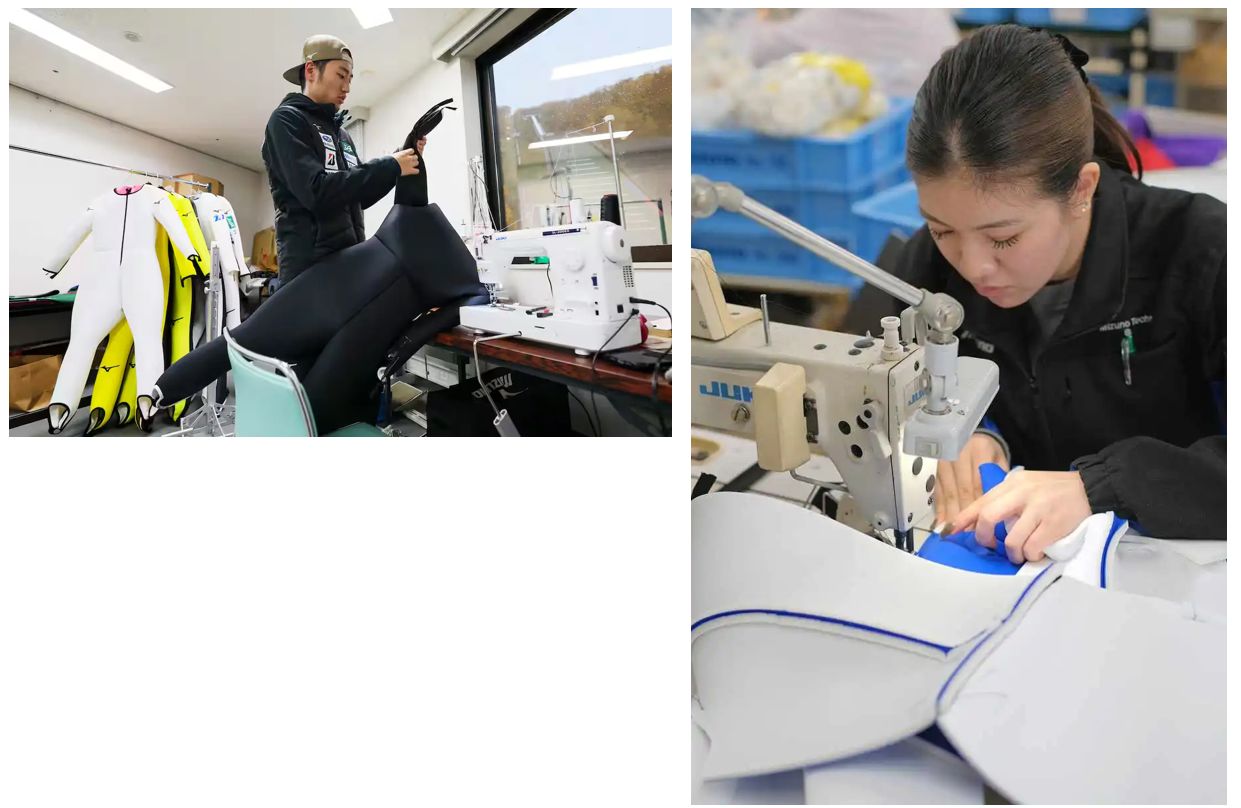
In 2025, the rules governing ski jumping suits were revised twice, once in the spring and again in the autumn. The list of items subject to inspection expanded, and enforcement became stricter. "Keeping pace with those changes isn't easy," said Yuya Ogata, who tailors competition suits for athletes at Mizuno.
Ogata handles suit adjustments for the Japanese team, and in the days leading up to competitions, his work often stretches late into the night.
The suits are made of thick polyurethane, and sewing them together requires considerable force
Because looser suits can generate greater lift and extend flight distance, recent regulations require ski jumpers to wear suits that fit closely to the body. Detailed standards now govern everything from seam placement and material thickness to air permeability. Those tasked with making adjustments must have the precision and technical skill to bring each suit as close as possible to the limits of what the rules allow.
At the same time, an athlete's body can change from day to day, making compliance difficult to maintain. Disqualifications for suit violations are not uncommon, even after strong performances. As a result, the pressure and responsibility carried by the suit adjusters can be as intense as that borne by the athletes themselves.
Even so, working conditions at competition venues are far from ideal, perhaps a reflection of ski jumping's status as a relatively niche sport. Even at the All-Japan Championships, where the country's top athletes compete, Ogata carries out last-minute adjustments by setting up his sewing machine in a corner of an office used by event officials.
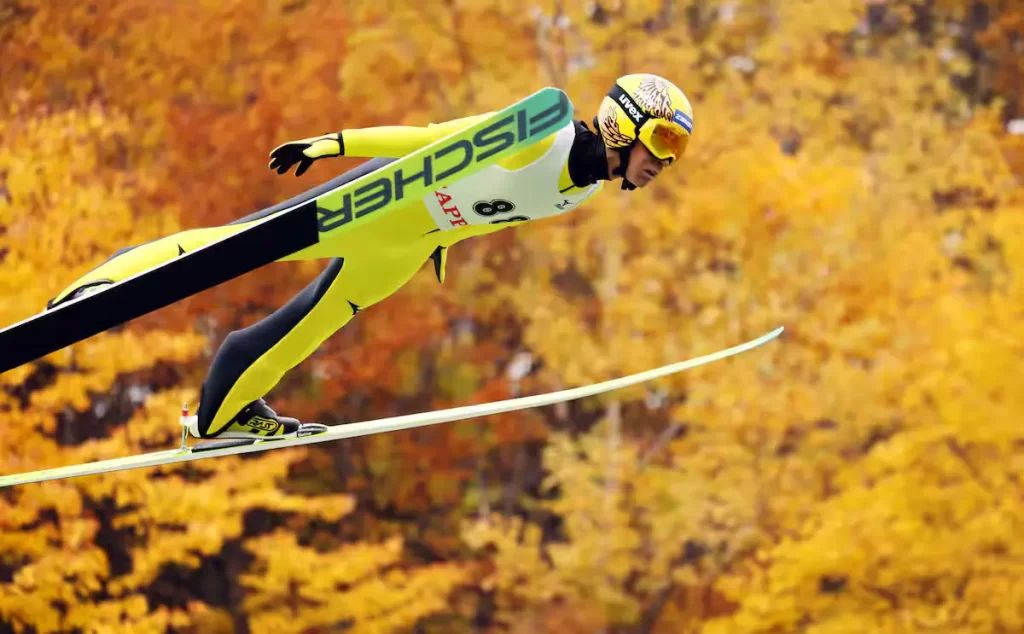
On this day, a skier wearing a brand-new yellow suit stepped into the improvised workspace: Noriaki Kasai, the sport's oldest active competitor at 53. A quick inspection showed that the suit fell short of regulations in the inseam and thigh areas. Ogata was asked to make the necessary fixes before official training began.
"The inseam was one centimeter short of the regulation requirement. Making up that difference is extremely difficult," Ogata recalled with a wry smile. "There was far too much work and far too little time. It's been a long while since I felt that kind of pressure."
Two days later, Kasai finished fourth at the championship, keeping alive his hopes of competing in a ninth Olympic Games. After the event, he shook Ogata's hand and, with a smile, offered a single verdict: "The finish is perfect!"
The scrape of skis along the inrun and the dry, hollow thud of landings on snowless ground echoed across the mountains. Yet cutting through these familiar, almost soothing sounds of competition was another noise altogether: the steady mechanical whir of a sewing machine, continuing late into the night from a nearby office.
In 2025, the rules governing ski jumping suits were revised twice, once in the spring and again in the autumn. The list of items subject to inspection expanded, and enforcement became stricter. "Keeping pace with those changes isn't easy," said Yuya Ogata, who tailors competition suits for athletes at Mizuno.
Ogata handles suit adjustments for the Japanese team, and in the days leading up to competitions, his work often stretches late into the night.
The suits are made of thick polyurethane, and sewing them together requires considerable force
Because looser suits can generate greater lift and extend flight distance, recent regulations require ski jumpers to wear suits that fit closely to the body. Detailed standards now govern everything from seam placement and material thickness to air permeability. Those tasked with making adjustments must have the precision and technical skill to bring each suit as close as possible to the limits of what the rules allow.
At the same time, an athlete's body can change from day to day, making compliance difficult to maintain. Disqualifications for suit violations are not uncommon, even after strong performances. As a result, the pressure and responsibility carried by the suit adjusters can be as intense as that borne by the athletes themselves.
Even so, working conditions at competition venues are far from ideal, perhaps a reflection of ski jumping's status as a relatively niche sport. Even at the All-Japan Championships, where the country's top athletes compete, Ogata carries out last-minute adjustments by setting up his sewing machine in a corner of an office used by event officials.
On this day, a skier wearing a brand-new yellow suit stepped into the improvised workspace: Noriaki Kasai, the sport's oldest active competitor at 53. A quick inspection showed that the suit fell short of regulations in the inseam and thigh areas. Ogata was asked to make the necessary fixes before official training began.
"The inseam was one centimeter short of the regulation requirement. Making up that difference is extremely difficult," Ogata recalled with a wry smile. "There was far too much work and far too little time. It's been a long while since I felt that kind of pressure."
Two days later, Kasai finished fourth at the championship, keeping alive his hopes of competing in a ninth Olympic Games. After the event, he shook Ogata's hand and, with a smile, offered a single verdict: "The finish is perfect!"
Source:Ski Jumping Suits at the Edge of Olympic Rules
JAPAN Forward
本教材は、一般社団法人ジャパンフォワード推進機構、株式会社産経デジタルより許諾を得て、産経ヒューマンラーニング株式会社が編集しています。
テキストの無断転載・無断使用を固く禁じます 。