To Boost Population Growth, Improve Young People's Income
To Boost Population Growth, Improve Young People's Income
夕方の駅前。仕事帰りの人たちが行き交い、カフェには若い社会人の姿も見えます。それぞれが忙しい毎日を送りながら、自分の将来や生活について考えているのかもしれません。日本では今、人口減少が大きな社会問題となっています。最近では、この問題を考えるうえで「若い世代の収入」に注目する声もあります。暮らしの安心と人生の選択は、どのようにつながっているのでしょうか。あなたは若者の収入と社会の未来の関係をどう考えますか。
1.Article
Directions: Read the following article aloud.
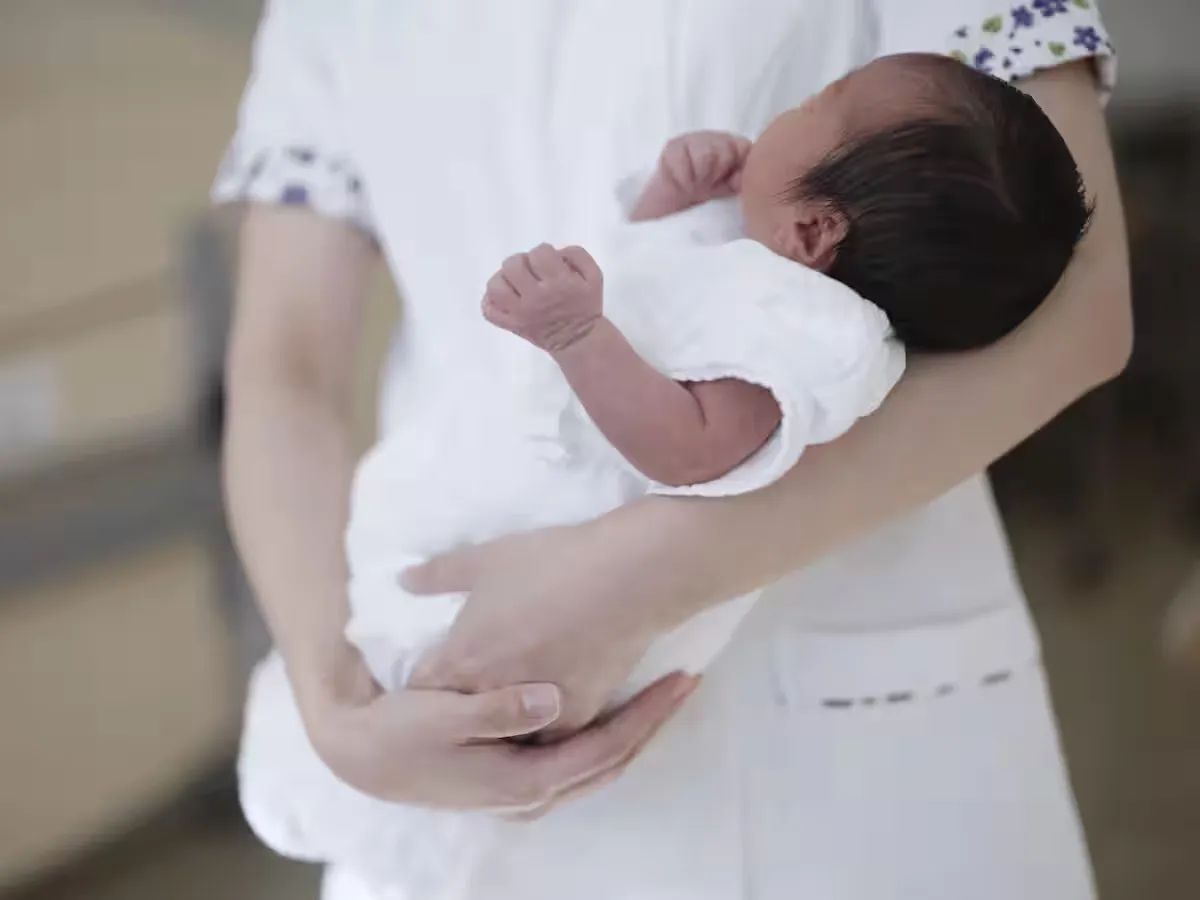
Preliminary population figures show that the number of children born in Japan in 2025 fell to a new low of 705,809. Moreover, that number includes foreign residents.
It was also the 10th consecutive year in which the number of newborns dropped. This demographic snapshot is according to vital statistics released by the Ministry of Health, Labor and Welfare.
Data for the total number of births among Japanese nationals is released by the Ministry each June. For 2024, it showed 686,061 new births. That was the first time the number of Japanese newborns had fallen below 700,000. It is widely believed that the number fell further in 2025.
The "natural decrease" in population is calculated by subtracting the number of births from the number of deaths. For 2025, it was 899,845 ー the largest decline ever.
The current situation, in which both the declining births and population decline continue unabated, must be taken seriously.
It will be difficult to reverse the downward trend in births because the number of women of childbearing age is declining. Rather, the more pressing priority should be to find a way to slow the rate of declining births. That would help buy time and ensure that Japan does not become a nation of immigrants. It is essential that the homeland's social functions be maintained and that people sense they have an opportunity for prosperity.
To that end, the government should focus most on improving young people's income. Low wages and unstable employment deter many individuals from getting married, having babies, and raising children. That sense of economic anxiety must be eliminated to create an environment where more young people are willing to take those steps.
Further work style reform is also necessary. The burden of childcare still tends to fall largely on women. This hinders the attempts by women to advance in society and enhance their income. It is also a factor that discourages women from having children. Men must be encouraged to get involved in child rearing.
In December 2023, the Japanese government drew up its "Future Strategy for Children." Following that blueprint, the government is promoting measures such as expanding child allowances and childcare leave benefits.
And this April, the "Child and Childcare Support Fund" system will take effect. Designed to implement those policy measures, it is funded by levies collected on top of public health insurance premiums.
The subsidy is mocked on social media as a "tax on singles," reflecting dissatisfaction that single people and households without children are not likely to directly benefit from the subsidies. Therefore, the government must carefully explain the impact of declining births and population decline on society as a whole. The public needs to understand the full significance of the subsidies.
Any decline in the working population and aging of society will affect the benefits and burdens balance under the social security system. Even now, Japan is suffering from an acute labor shortage. Depopulation in rural areas has worsened local finances, while aging infrastructure and declining government services are also problems.
In her recent policy speech, Prime Minister Sanae Takaichi stated that Japan's falling births and population decline "are eroding the vitality of our country."
Moreover, she announced her intention to formulate a comprehensive strategy to deal with these problems. Hopefully, the government will soon unveil population targets and a vision for the future of the country.
It was also the 10th consecutive year in which the number of newborns dropped. This demographic snapshot is according to vital statistics released by the Ministry of Health, Labor and Welfare.
Data for the total number of births among Japanese nationals is released by the Ministry each June. For 2024, it showed 686,061 new births. That was the first time the number of Japanese newborns had fallen below 700,000. It is widely believed that the number fell further in 2025.
The "natural decrease" in population is calculated by subtracting the number of births from the number of deaths. For 2025, it was 899,845 ー the largest decline ever.
The current situation, in which both the declining births and population decline continue unabated, must be taken seriously.
It will be difficult to reverse the downward trend in births because the number of women of childbearing age is declining. Rather, the more pressing priority should be to find a way to slow the rate of declining births. That would help buy time and ensure that Japan does not become a nation of immigrants. It is essential that the homeland's social functions be maintained and that people sense they have an opportunity for prosperity.
To that end, the government should focus most on improving young people's income. Low wages and unstable employment deter many individuals from getting married, having babies, and raising children. That sense of economic anxiety must be eliminated to create an environment where more young people are willing to take those steps.
Further work style reform is also necessary. The burden of childcare still tends to fall largely on women. This hinders the attempts by women to advance in society and enhance their income. It is also a factor that discourages women from having children. Men must be encouraged to get involved in child rearing.
In December 2023, the Japanese government drew up its "Future Strategy for Children." Following that blueprint, the government is promoting measures such as expanding child allowances and childcare leave benefits.
And this April, the "Child and Childcare Support Fund" system will take effect. Designed to implement those policy measures, it is funded by levies collected on top of public health insurance premiums.
The subsidy is mocked on social media as a "tax on singles," reflecting dissatisfaction that single people and households without children are not likely to directly benefit from the subsidies. Therefore, the government must carefully explain the impact of declining births and population decline on society as a whole. The public needs to understand the full significance of the subsidies.
Any decline in the working population and aging of society will affect the benefits and burdens balance under the social security system. Even now, Japan is suffering from an acute labor shortage. Depopulation in rural areas has worsened local finances, while aging infrastructure and declining government services are also problems.
In her recent policy speech, Prime Minister Sanae Takaichi stated that Japan's falling births and population decline "are eroding the vitality of our country."
Moreover, she announced her intention to formulate a comprehensive strategy to deal with these problems. Hopefully, the government will soon unveil population targets and a vision for the future of the country.
Source:To Boost Population Growth, Improve Young People's Income
JAPAN Forward
本教材は、一般社団法人ジャパンフォワード推進機構、株式会社産経デジタルより許諾を得て、産経ヒューマンラーニング株式会社が編集しています。
テキストの無断転載・無断使用を固く禁じます 。