Use JR East Revenue from Fare Hikes for Safety, Accessibility
Use JR East Revenue from Fare Hikes for Safety, Accessibility
通勤や通学で電車を利用している人も多いのではないでしょうか。日本では今、JRの運賃値上げが検討されており、私たちの生活への影響が注目されています。サービスの維持と利用者の負担は、どのようにバランスをとるべきでしょうか。
1.Article
Directions: Read the following article aloud.
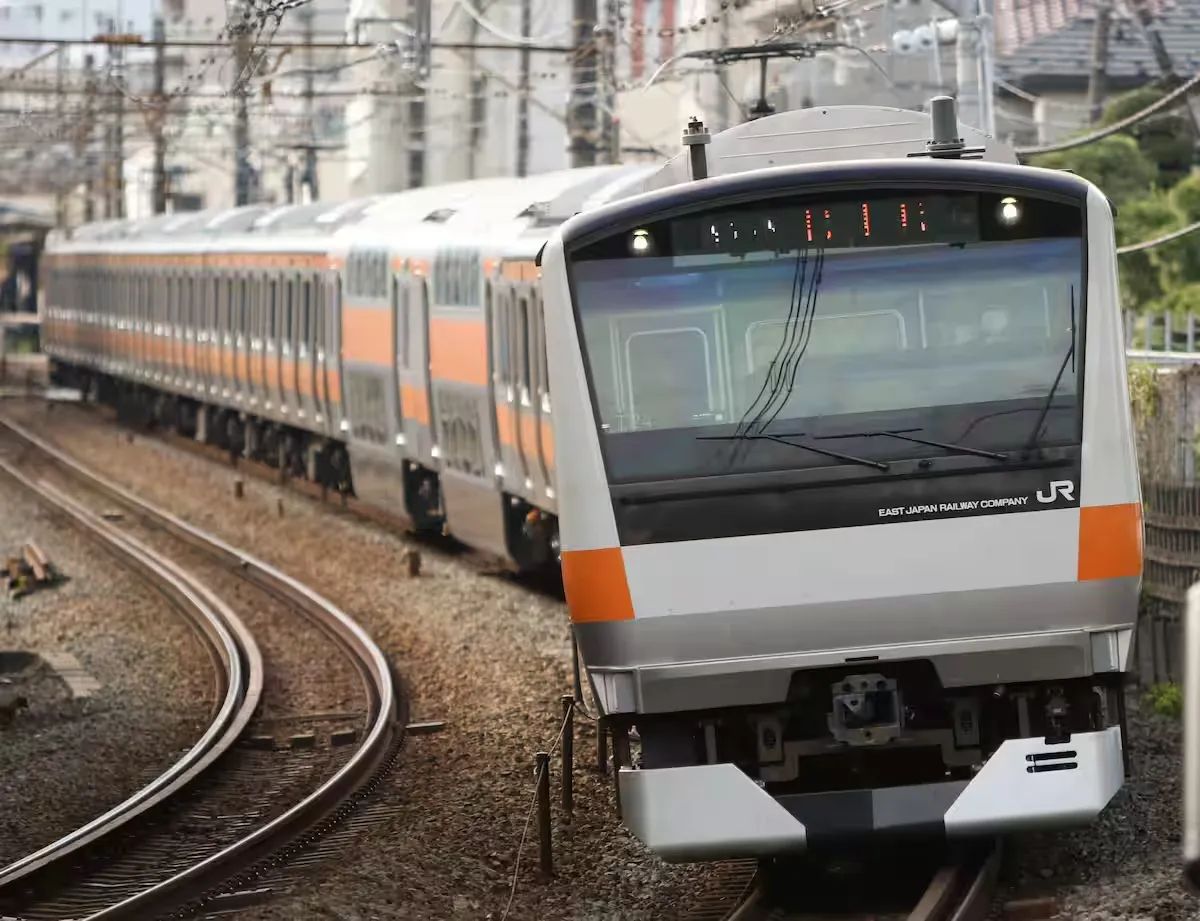
East Japan Railway Co (JR East) has raised its fares effective March 14. This is the first major price increase by the company since the privatization of Japanese National Railways (JNR) in 1987. Previous increases were limited to accommodating the consumption tax and other special factors.
JR East has increased its regular fares by 7.8%, and commuter passes by 12%. On March 13, the day before the increase, ticket offices at every JR East railway station were packed with passengers trying to purchase passes at the old prices.
Fares had been maintained unchanged for a remarkable 40 years, since 1986 during the JNR era. Therefore, this price increase was probably unavoidable, considering the sharp rise in labor and material costs.
In 1997, after the establishment of the JR network, the Ministry of Land, Infrastructure, Transport and Tourism introduced the "total cost method" to curb excessive fare increases.
This method is used to determine the fare cap. It adds a profit margin to expenses necessary for train operations, such as personnel and maintenance costs, and then deducts non-operating income. JR East and the other two companies operating on Japan's main island, Honshu, had been unable to revise fares for a long time. That was due to their adherence to the total cost formula with its profit margin.
However, during the COVID-19 pandemic, the volume of passengers transported by JR companies plummeted. JR East was particularly hard hit, recording an operating loss of ¥520 billion JPY ($3.26 billion USD) in FY2020.
Calls to reconsider reliance on the total cost accounting method have been growing louder among railway companies. In April 2024, the Ministry of Land, Infrastructure, Transport and Tourism significantly revised calculation standards to enable "sustainable operations." The approval of JR East's fare changes was part of this revision. However, any ill-considered fare increases in the future should be strictly avoided.
The average increase this time is 7.1%. But the increase within the Yamanote Line is 16.4%. And the cost of travel on the section of rail between Tokyo Station and Shinjuku Station will rise from ¥210 to ¥260 (about $1.30 to $1.63). This is a significant increase of 23.8%.
The strategy is clearly aimed at generating substantial revenue from rail passengers in central Tokyo. This is where the number of users is significantly higher than elsewhere. In addition, there are no convenient alternatives available.
Another change was the discontinuation of the round-trip ticket option. It had offered a 10% discount for journeys of 601 kilometers or more one way. This also amounts to a service downgrade.
During the JNR era, fares were raised by more than 50% in 1976 alone due to the effects of the Oil Shock and other factors. Lessons learned in the past, when it seemed as though prices increased every year, led to a decline in passengers. Ultimately, that led to forced privatization.
Since 2024, JR East has experienced a series of serious mishaps, including trains stopping for extended periods due to human error. The increased revenue from fare hikes is estimated at ¥88 billion ($551 million) annually. Hopefully, it will be used primarily for safety and accessibility measures.
Returning to its core mission as a railway company will be the first step for JR East in restoring public trust.
JR East has increased its regular fares by 7.8%, and commuter passes by 12%. On March 13, the day before the increase, ticket offices at every JR East railway station were packed with passengers trying to purchase passes at the old prices.
Fares had been maintained unchanged for a remarkable 40 years, since 1986 during the JNR era. Therefore, this price increase was probably unavoidable, considering the sharp rise in labor and material costs.
In 1997, after the establishment of the JR network, the Ministry of Land, Infrastructure, Transport and Tourism introduced the "total cost method" to curb excessive fare increases.
This method is used to determine the fare cap. It adds a profit margin to expenses necessary for train operations, such as personnel and maintenance costs, and then deducts non-operating income. JR East and the other two companies operating on Japan's main island, Honshu, had been unable to revise fares for a long time. That was due to their adherence to the total cost formula with its profit margin.
However, during the COVID-19 pandemic, the volume of passengers transported by JR companies plummeted. JR East was particularly hard hit, recording an operating loss of ¥520 billion JPY ($3.26 billion USD) in FY2020.
Calls to reconsider reliance on the total cost accounting method have been growing louder among railway companies. In April 2024, the Ministry of Land, Infrastructure, Transport and Tourism significantly revised calculation standards to enable "sustainable operations." The approval of JR East's fare changes was part of this revision. However, any ill-considered fare increases in the future should be strictly avoided.
The average increase this time is 7.1%. But the increase within the Yamanote Line is 16.4%. And the cost of travel on the section of rail between Tokyo Station and Shinjuku Station will rise from ¥210 to ¥260 (about $1.30 to $1.63). This is a significant increase of 23.8%.
The strategy is clearly aimed at generating substantial revenue from rail passengers in central Tokyo. This is where the number of users is significantly higher than elsewhere. In addition, there are no convenient alternatives available.
Another change was the discontinuation of the round-trip ticket option. It had offered a 10% discount for journeys of 601 kilometers or more one way. This also amounts to a service downgrade.
During the JNR era, fares were raised by more than 50% in 1976 alone due to the effects of the Oil Shock and other factors. Lessons learned in the past, when it seemed as though prices increased every year, led to a decline in passengers. Ultimately, that led to forced privatization.
Since 2024, JR East has experienced a series of serious mishaps, including trains stopping for extended periods due to human error. The increased revenue from fare hikes is estimated at ¥88 billion ($551 million) annually. Hopefully, it will be used primarily for safety and accessibility measures.
Returning to its core mission as a railway company will be the first step for JR East in restoring public trust.
Source:Use JR East Revenue from Fare Hikes for Safety, Accessibility
JAPAN Forward
本教材は、一般社団法人ジャパンフォワード推進機構、株式会社産経デジタルより許諾を得て、産経ヒューマンラーニング株式会社が編集しています。
テキストの無断転載・無断使用を固く禁じます 。