
India’s Cricket Bat Business in Danger
India’s Cricket Bat Business in Danger
スポーツは個人の努力だけでなく、道具や環境によっても支えられています。ところが最近、インドやイングランドなどクリケットが盛んな国々で、競技に欠かせない用具が手に入りにくい状況が話題になっています。こうした問題は、選手だけでなく、地域や生産の仕組みとも深く関わっています。身近なスポーツの裏側で何が起きているのかを知ることで、見え方が変わるかもしれません。あなたの周りのスポーツ環境についても考えてみましょう。
1.Article
Directions: Read the following article aloud.
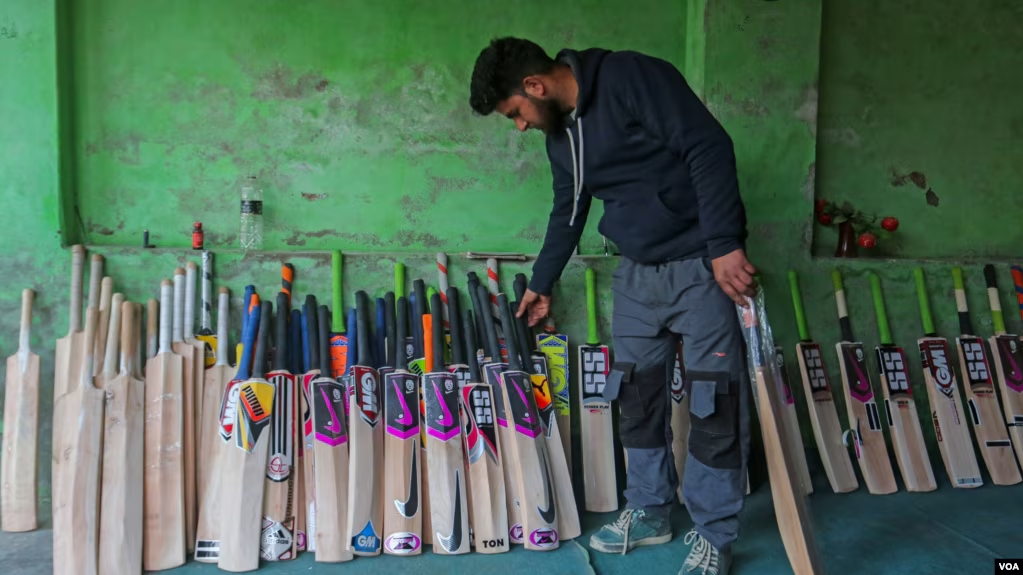
The best cricket bats in the world are made in England and India from willow trees. A bat is the long stick cricket players use to hit the ball.
The bats from India are in especially high demand. That is because they are much less costly than the English bats.
Bats from India cost between $50 and $500, while the ones made in England cost three to four times more.
The bat factories are in the Indian-controlled part of Kashmir and they employ about 100,000 people.
The area makes about 3 million bats each year. The factories have customers in 125 countries. The cricket bat business brings in about $12 million to the Indian economy. The Kashmir bats make up about 70 percent of the world market because of their lower cost.
Many of the area’s factories, however, have closed because of a serious lack of willow trees.
As Indian-made bats became more popular around the world, more and more willow trees were cut down. New willow trees were not planted to replace them. Wood farmers chose to grow different kinds of wood that grow more quickly than willow trees.
Mohammad Shafi Dar is 55 years old. He is one of the skilled workers involved in making cricket bats. He takes a piece of willow and cuts it with a motorized saw. He then passes it on to another worker for the next part of the bat-making process.
Dar followed his father into the business when he was a young man. He told VOA that, for the first time, he is worried about losing his job.
“In the last couple of years,” he said, “bat production has decreased.” He said about six workers recently lost their jobs at his factory.
On the main highway that connects Kashmir with the main part of India, there are 400 cricket bat factories. Drivers see the pieces of willow trees gathered along the road. Fifty of the factories have closed because they do not have the wood they need.
The workers who lose their jobs do not have many other choices for work. Dar said they can become day laborers, work in agriculture or become sand diggers.
Fayaz Ahmad Dar is president of the Kashmir Cricket Bat Manufacturers Union. He said the willow tree shortage started about five years ago. He said the business is almost “extinct due to complete negligence.” Area factories, he said, receive just half the supply they used to.
Ahmad Dar said the tree-growers in the area are planting cottonwood and poplar. Wood from those trees can be used in making plywood, which is used in the building industry. Those trees grow faster and their wood can be sold sooner. The willow trees grow more slowly.
Ahmad Dar said he has talked with the director of commerce and industries for the Kashmir area. He told her about cricket’s growth around the world and how important the area’s factories are for the sport.
Ahmad Dar said he asked that the government set aside land that could only be used for planting willow trees so that Kashmir’s cricket bat business can survive.
After the meeting, the Sher-e-Kashmir University’s department of agriculture sent the bat manufacturers 1,500 small willow trees to plant.
Ahmad Dar, however, said that was not nearly enough. The bat-makers need many more trees than that. He said just one bat company needs the wood from 10,000 to 15,000 trees each year in order to meet demand.
The bats from India are in especially high demand. That is because they are much less costly than the English bats.
Bats from India cost between $50 and $500, while the ones made in England cost three to four times more.
The bat factories are in the Indian-controlled part of Kashmir and they employ about 100,000 people.
The area makes about 3 million bats each year. The factories have customers in 125 countries. The cricket bat business brings in about $12 million to the Indian economy. The Kashmir bats make up about 70 percent of the world market because of their lower cost.
Many of the area’s factories, however, have closed because of a serious lack of willow trees.
As Indian-made bats became more popular around the world, more and more willow trees were cut down. New willow trees were not planted to replace them. Wood farmers chose to grow different kinds of wood that grow more quickly than willow trees.
Mohammad Shafi Dar is 55 years old. He is one of the skilled workers involved in making cricket bats. He takes a piece of willow and cuts it with a motorized saw. He then passes it on to another worker for the next part of the bat-making process.
Dar followed his father into the business when he was a young man. He told VOA that, for the first time, he is worried about losing his job.
“In the last couple of years,” he said, “bat production has decreased.” He said about six workers recently lost their jobs at his factory.
On the main highway that connects Kashmir with the main part of India, there are 400 cricket bat factories. Drivers see the pieces of willow trees gathered along the road. Fifty of the factories have closed because they do not have the wood they need.
The workers who lose their jobs do not have many other choices for work. Dar said they can become day laborers, work in agriculture or become sand diggers.
Fayaz Ahmad Dar is president of the Kashmir Cricket Bat Manufacturers Union. He said the willow tree shortage started about five years ago. He said the business is almost “extinct due to complete negligence.” Area factories, he said, receive just half the supply they used to.
Ahmad Dar said the tree-growers in the area are planting cottonwood and poplar. Wood from those trees can be used in making plywood, which is used in the building industry. Those trees grow faster and their wood can be sold sooner. The willow trees grow more slowly.
Ahmad Dar said he has talked with the director of commerce and industries for the Kashmir area. He told her about cricket’s growth around the world and how important the area’s factories are for the sport.
Ahmad Dar said he asked that the government set aside land that could only be used for planting willow trees so that Kashmir’s cricket bat business can survive.
After the meeting, the Sher-e-Kashmir University’s department of agriculture sent the bat manufacturers 1,500 small willow trees to plant.
Ahmad Dar, however, said that was not nearly enough. The bat-makers need many more trees than that. He said just one bat company needs the wood from 10,000 to 15,000 trees each year in order to meet demand.
Muheet Ul Islam wrote this story for VOA. Dan Friedell adapted it for Learning English.
Source:India’s Cricket Bat Business in Danger
VOA
本教材は、the U.S. Agency for Global Mediaより許諾を得て、産経ヒューマンラーニング株式会社が編集しています。
テキストの無断転載・無断使用を固く禁じます 。