
California Energy Deal Marks Big Step for Geothermal Power
California Energy Deal Marks Big Step for Geothermal Power
電気は毎日当たり前のように使っていますが、その電気がどこから来ているかを意識することはあまりないかもしれません。カリフォルニアでは、地面の下にある熱を生かす方法に注目が集まっています。発電の選択肢が変わることで、私たちの生活はどう変わるのでしょうか。あなたは電気のつくり方について考えたことがありますか。
1.Article
Directions: Read the following article aloud.
The method of making electricity from the Earth’s natural heat has been moving forward quietly for many years. Recently, that effort has reached a milestone with a big, new project.
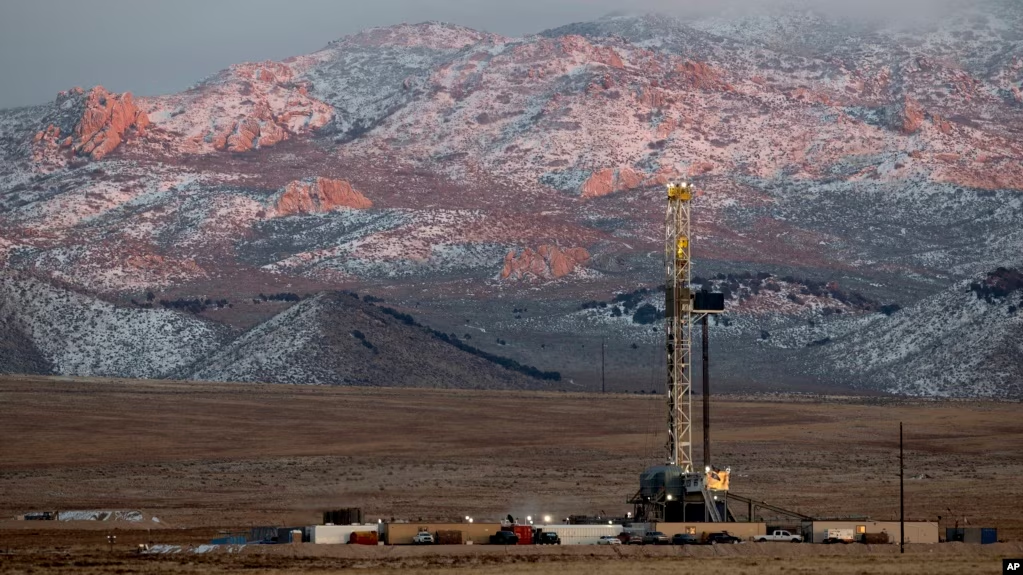
Southern California Edison announced it will buy electricity from Fervo Energy, a company based in Houston, Texas. Fervo uses geothermal energy to produce electric power. The company is going to drill up to 125 geothermal wells in the southwestern state of Utah. The goal is to produce 400 megawatts of electricity. That is being described as enough to supply power to 400,000 homes.
Wilson Ricks is an energy systems researcher at Princeton University in New Jersey. He said if the business deal helps geothermal technology, it could be “massively impactful for global decarbonization.” The term decarbonization means using machines and
methods that do not produce carbon-based substances when they are used.
New geothermal companies are using the drilling technology that oil and gas industries developed. They drill down into areas where underground rock is very hot to create steam, which can be used for power production. Engineers have been working on this technology for many years.
The United States is among the world’s leaders in geothermal energy. But the U.S. Energy Information Administration (EIA) says it accounts for less than half of one percent of the nation’s electricity.
Fervo is among the first companies to drill in what are called geothermal reservoirs. The EIA describes these as areas of very hot rock that are fairly close to the surface of the Earth — between one and three kilometers. In 2021, the company signed an agreement with Google to drill three wells in Nevada. The Associated Press (AP) reported that the project began supplying power to the Nevada electricity system, or grid, in November.
The new development in Utah is called the Cape Station project. It is about 320 kilometers south of Salt Lake City. It is expected to begin providing electricity as early as 2026.
California Energy Commission Chair David Hochschild said his state supports electricity that does not release carbon when it is produced. He said geothermal power works well with solar farms to provide steady electricity when the wind is not blowing, or clouds block the sun. He believes this is important to ensure reliable energy as California cuts the use of oil, gas and coal.
Sarah Jewett is vice president of Fervo. She called the deal “exciting.” Jewett said the deal “…isn’t a niche energy resource going to a niche use.” The word “niche” describes something that has very limited availability and limited use in the real world.
Southern California Edison announced it will buy electricity from Fervo Energy, a company based in Houston, Texas. Fervo uses geothermal energy to produce electric power. The company is going to drill up to 125 geothermal wells in the southwestern state of Utah. The goal is to produce 400 megawatts of electricity. That is being described as enough to supply power to 400,000 homes.
Wilson Ricks is an energy systems researcher at Princeton University in New Jersey. He said if the business deal helps geothermal technology, it could be “massively impactful for global decarbonization.” The term decarbonization means using machines and
methods that do not produce carbon-based substances when they are used.
New geothermal companies are using the drilling technology that oil and gas industries developed. They drill down into areas where underground rock is very hot to create steam, which can be used for power production. Engineers have been working on this technology for many years.
The United States is among the world’s leaders in geothermal energy. But the U.S. Energy Information Administration (EIA) says it accounts for less than half of one percent of the nation’s electricity.
Fervo is among the first companies to drill in what are called geothermal reservoirs. The EIA describes these as areas of very hot rock that are fairly close to the surface of the Earth — between one and three kilometers. In 2021, the company signed an agreement with Google to drill three wells in Nevada. The Associated Press (AP) reported that the project began supplying power to the Nevada electricity system, or grid, in November.
The new development in Utah is called the Cape Station project. It is about 320 kilometers south of Salt Lake City. It is expected to begin providing electricity as early as 2026.
California Energy Commission Chair David Hochschild said his state supports electricity that does not release carbon when it is produced. He said geothermal power works well with solar farms to provide steady electricity when the wind is not blowing, or clouds block the sun. He believes this is important to ensure reliable energy as California cuts the use of oil, gas and coal.
Sarah Jewett is vice president of Fervo. She called the deal “exciting.” Jewett said the deal “…isn’t a niche energy resource going to a niche use.” The word “niche” describes something that has very limited availability and limited use in the real world.
Jennifer McDermott reported this story for the Associated Press. Mario Ritter, Jr. adapted this report for VOA Learning English.
Source:California Energy Deal Marks Big Step for Geothermal Power
VOA
本教材は、the U.S. Agency for Global Mediaより許諾を得て、産経ヒューマンラーニング株式会社が編集しています。
テキストの無断転載・無断使用を固く禁じます 。